Media Summary: We take a humble image and turn it into a "texture". A texture is what is "painted" onto shapes in the We open our super-cool Video Player/Looper in a bpatcher, make some really minor adjustments, and "violá" we can show our ... In this video we talk about what is jitter and some very basic concepts to start programming visual elements in

Max 8 Tutorial 38 Going 3d With Jit Gl Part 1 - Detailed Analysis & Overview

We take a humble image and turn it into a "texture". A texture is what is "painted" onto shapes in the We open our super-cool Video Player/Looper in a bpatcher, make some really minor adjustments, and "violá" we can show our ... In this video we talk about what is jitter and some very basic concepts to start programming visual elements in Yes, all the excitement the name "Ops" entails; like "Covert Ops", "Secret Ops", or even "Black Ops" but without all that ... After building a video player/looper in Tut's 35, 36, & 37, we learn how to send that into the In this episode we see how to reflect a vector (and vertices) using the [reflect] function inside

Photo Gallery

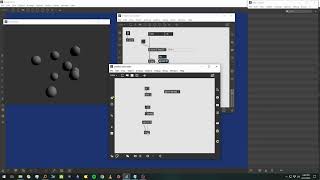
Max 8 Tutorial #38: Going 3D with Jit.GL (part 1)
Max Tutorial # 38: Jit GL Intro 1
max/msp/jitter jit.gl.multiple tutorial part 1
jit.gl.gridshape & jit.gl.mesh - Helpful Objects to Know - Max MSP Tutorial
Max 8 Tutorial # 31: Multi-Input Effect in Jitter (Eclipse)
Max 8 Tutorial #39: Going 3D with Jit.GL (part 2)
Max 8 Tutorial #35: Video Control Part 1
Max for the 3D Visuals - Lesson_01 - Starting with OpenGL basics
Max MSP Tutorial -- Intro to Jitter - pt 1
Max 8 Tutorial #40: Going 3D with Jit.GL (Part 3)
Jitter's GEN from Zero to Hero -  Ep 06 - Create 3D Shapes with [jit.gl.mesh]
Max 8 Tutorial # 27: Jit Ops
View Detailed Profile
Max 8 Tutorial #38: Going 3D with Jit.GL (part 1)

Max 8 Tutorial #38: Going 3D with Jit.GL (part 1)

We take a humble image and turn it into a "texture". A texture is what is "painted" onto shapes in the

Max Tutorial # 38: Jit GL Intro 1

Max Tutorial # 38: Jit GL Intro 1

We take a humble image and turn it into a "texture". A texture is what is "painted" onto shapes in the

max/msp/jitter jit.gl.multiple tutorial part 1

max/msp/jitter jit.gl.multiple tutorial part 1

This

jit.gl.gridshape & jit.gl.mesh - Helpful Objects to Know - Max MSP Tutorial

jit.gl.gridshape & jit.gl.mesh - Helpful Objects to Know - Max MSP Tutorial

In this video we talk about

Max 8 Tutorial # 31: Multi-Input Effect in Jitter (Eclipse)

Max 8 Tutorial # 31: Multi-Input Effect in Jitter (Eclipse)

This

Max 8 Tutorial #39: Going 3D with Jit.GL (part 2)

Max 8 Tutorial #39: Going 3D with Jit.GL (part 2)

We open our super-cool Video Player/Looper in a bpatcher, make some really minor adjustments, and "violá" we can show our ...

Max 8 Tutorial #35: Video Control Part 1

Max 8 Tutorial #35: Video Control Part 1

In

Max for the 3D Visuals - Lesson_01 - Starting with OpenGL basics

Max for the 3D Visuals - Lesson_01 - Starting with OpenGL basics

We create a

Max MSP Tutorial -- Intro to Jitter - pt 1

Max MSP Tutorial -- Intro to Jitter - pt 1

In this video we talk about what is jitter and some very basic concepts to start programming visual elements in

Max 8 Tutorial #40: Going 3D with Jit.GL (Part 3)

Max 8 Tutorial #40: Going 3D with Jit.GL (Part 3)

We revisit the "

Jitter's GEN from Zero to Hero -  Ep 06 - Create 3D Shapes with [jit.gl.mesh]

Jitter's GEN from Zero to Hero - Ep 06 - Create 3D Shapes with [jit.gl.mesh]

New objects seen in this episode: [

Max 8 Tutorial # 27: Jit Ops

Max 8 Tutorial # 27: Jit Ops

Yes, all the excitement the name "Ops" entails; like "Covert Ops", "Secret Ops", or even "Black Ops" but without all that ...

Max 8 Tutorial #41: 3D Fun (Part 1)

Max 8 Tutorial #41: 3D Fun (Part 1)

After building a video player/looper in Tut's 35, 36, & 37, we learn how to send that into the

Jit.lcd iteration, part 1

Jit.lcd iteration, part 1

jit

Jitter's GEN from Zero to Hero -  Ep 08 - [reflect]

Jitter's GEN from Zero to Hero - Ep 08 - [reflect]

In this episode we see how to reflect a vector (and vertices) using the [reflect] function inside